Dr. Fidan Hasanzade
Paediatric dentist, treatment under sedation


With us, everything is fear-free and fun
I am Fidan Hasanzade, a paediatric dentist. I turn the examination into a game and explain every step in the child’s own words. When it is needed, we treat under sedation with an anaesthetist present, gently and without frightening the child.
- Clinical experience
- 6+ yrs
- Specialty
- Paediatric dentist
- Main focus
- Treatment under sedation
- How to book
- Booking via WhatsApp
Check tooth decay risk
This short test looks at habits around eating, hygiene and past check-ups to give a rough estimate of the risk of tooth decay. Answer 10 questions and you will see the result straight away.
Your answers are calculated only on your device: they are not sent to any server and are not stored.
Question 1 of 10
Low risk
Your habits protect the teeth well.
Keep it up: brushing twice a day, few sweets and a check-up every 6 months. Pay special attention to the permanent molar that appears at the back at 5-6.
Moderate risk
Some habits increase the chance of decay.
Cut down on how often your child has sweets and sugary drinks, do not skip evening brushing and come for a check-up. At an early stage, fluoride varnish can strengthen the enamel.
High risk
The chance of tooth decay is high.
Come for a check-up without waiting. Even without pain, decay may already have started. Together we will make a plan for eating and brushing and carry out any treatment needed in good time.
Risk scale
- Low
- Moderate
- High
Whatever the result, brushing twice a day with the right amount of fluoride toothpaste for your child’s age and check-ups as often as your dentist advises, usually every 3-6 months, lower the risk of decay.
Source of risk factors: Tinanoff, N., Baez, R. J., Diaz Guillory, C., et al. (2019). Early childhood caries epidemiology, aetiology, risk assessment, societal burden, management, education, and policy: Global perspective. International Journal of Paediatric Dentistry, 29(3), 238-248. [PMID: 31099128] | [DOI: 10.1111/ipd.12484]
This test does not make a diagnosis and does not replace an examination. If there is a spot, a hole or pain, see a paediatric dentist whatever the result.
Before and after
Images shared with the written consent of parents. Every child is different, and so is every result.


We are here to make children love the dentist, not fear it
A child’s first visit to the dentist can shape how they feel about dentists for years. So first we get to know each other and play with the instruments, then we move on to the examination. And I explain every stage openly to the parent.

The basics of my approach
- Every step with the child’s consent
- Every stage explained to the parent
- Sedation only when indicated
- Your child’s safety comes before any tooth
My specialty and focus areas
As a paediatric dentist I treat baby and permanent teeth, prevent tooth decay and assess habits, and together with an anaesthetist I provide treatment under sedation.
Specialty
Paediatric dentist
Treatment of baby and permanent teeth, steel crowns, space maintainers, dental injuries and stopping tooth decay early.
Education
Semmelweis and Ankara universities
Semmelweis University (Hungary), dentistry. Ankara University Faculty of Dentistry (Türkiye).
Main focus
Treatment under sedation
For anxious and very young children, those who need extensive treatment and those with special needs, supervised by an anaesthetist.
Appointments
By appointment
You book via WhatsApp and we agree on the day and time together.
Fear-free paediatric dentistry
Treatment under sedation is my main focus. I also treat baby teeth, place steel crowns and space maintainers, care for dental injuries and stop tooth decay at an early stage.
View all services- Treatment under sedationCalm treatment supervised by an anaesthetist for anxious children and those who need extensive treatment.
- Full-mouth treatment in one sessionSolving the problems in all teeth in one visit, usually under sedation.
- Children with special needsAn individual, safe plan for children with a syndrome or chronic illness.
- Root canal treatment of baby teethCleaning out the inflamed nerve and keeping the tooth until the permanent one comes through.
- Steel crownsA ready-made cap that protects a badly broken-down baby tooth and later falls out with it.
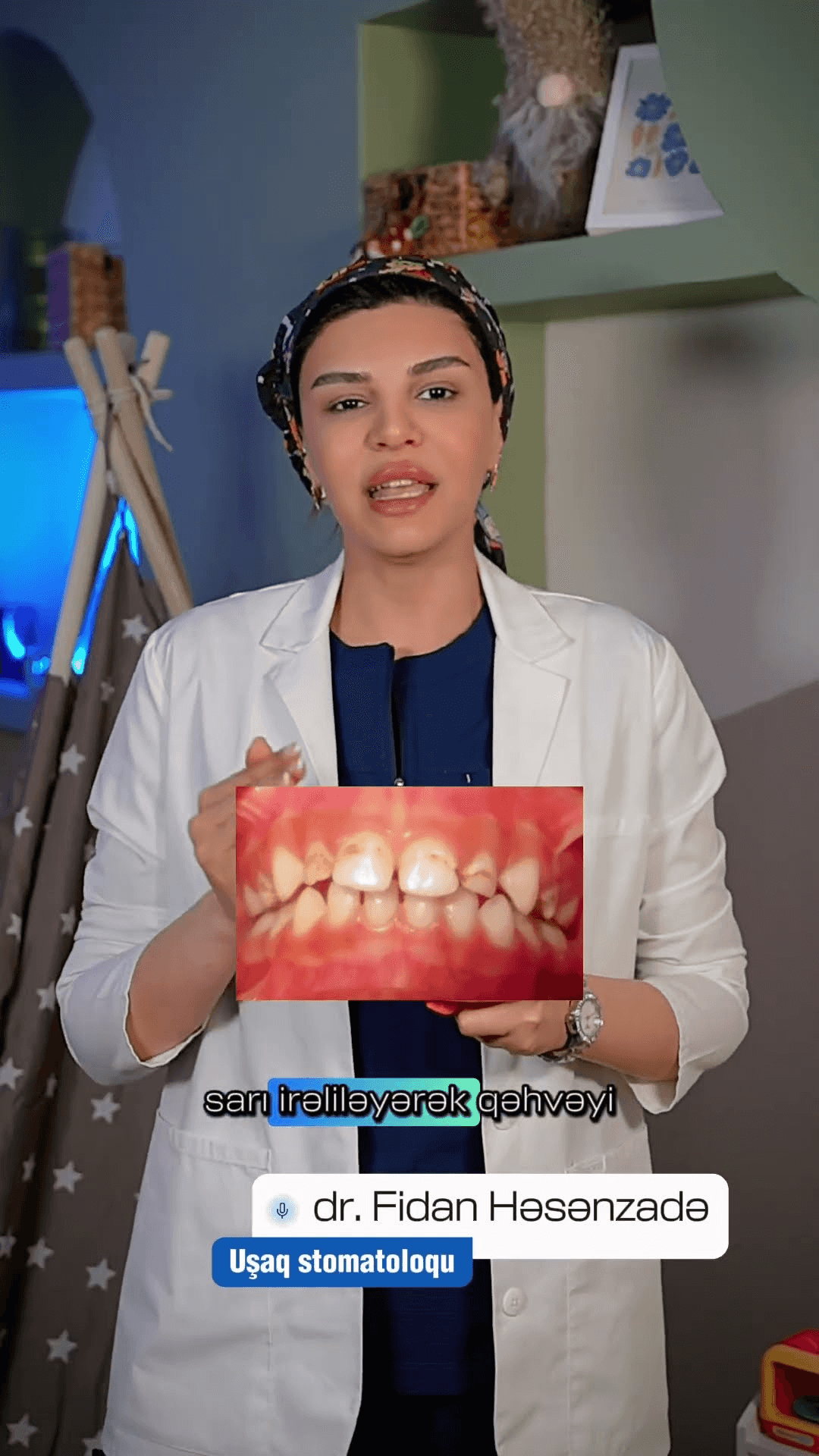
Short videos
Short explanations for parents from my YouTube channel. Tap a video to watch it right here.

Four steps from first message to a healthy smile
Children’s dental treatment does not end with a single visit. Trust, an accurate diagnosis, a plan and follow-up work together.
Getting in touch
You message us on WhatsApp with your child’s age and the problem. We choose the right type of visit together.
Getting acquainted and examination
We first introduce the child to the room and the instruments, then examine them and take an X-ray if needed.
Plan and explanation
We explain every stage to the parent: what each tooth needs, whether sedation is necessary and how many visits there will be.
Treatment and follow-up
After treatment, check-ups every 3-6 months help us catch new decay early, and we review home care together to keep the risk down.
Current announcement
Send us your questions about sedation
Not every child needs sedation, but when it is indicated it helps protect both the child’s teeth and their future attitude to the dentist. At the consultation we assess the child’s condition, explain the preparation and the paediatrician’s clearance, and plan the treatment day together.
- Period
- StartEnd
- Good to know
- When you write, mention your child’s age, the problem and any chronic conditions. You do not need to send health documents or photos of your child by message; we discuss them at the appointment.
A dental ABC for parents
A guide to children’s dental care: from the first tooth to school age
Brushing, fluoride toothpaste, flossing, sweets and check-ups: five basic rules, the right amount of toothpaste for each age, morning and evening care and a tooth decay risk test.
How fast does tooth decay develop?
Three stages from a white spot to an inflamed nerve, the habits that speed up decay and the chance to stop it without drilling.
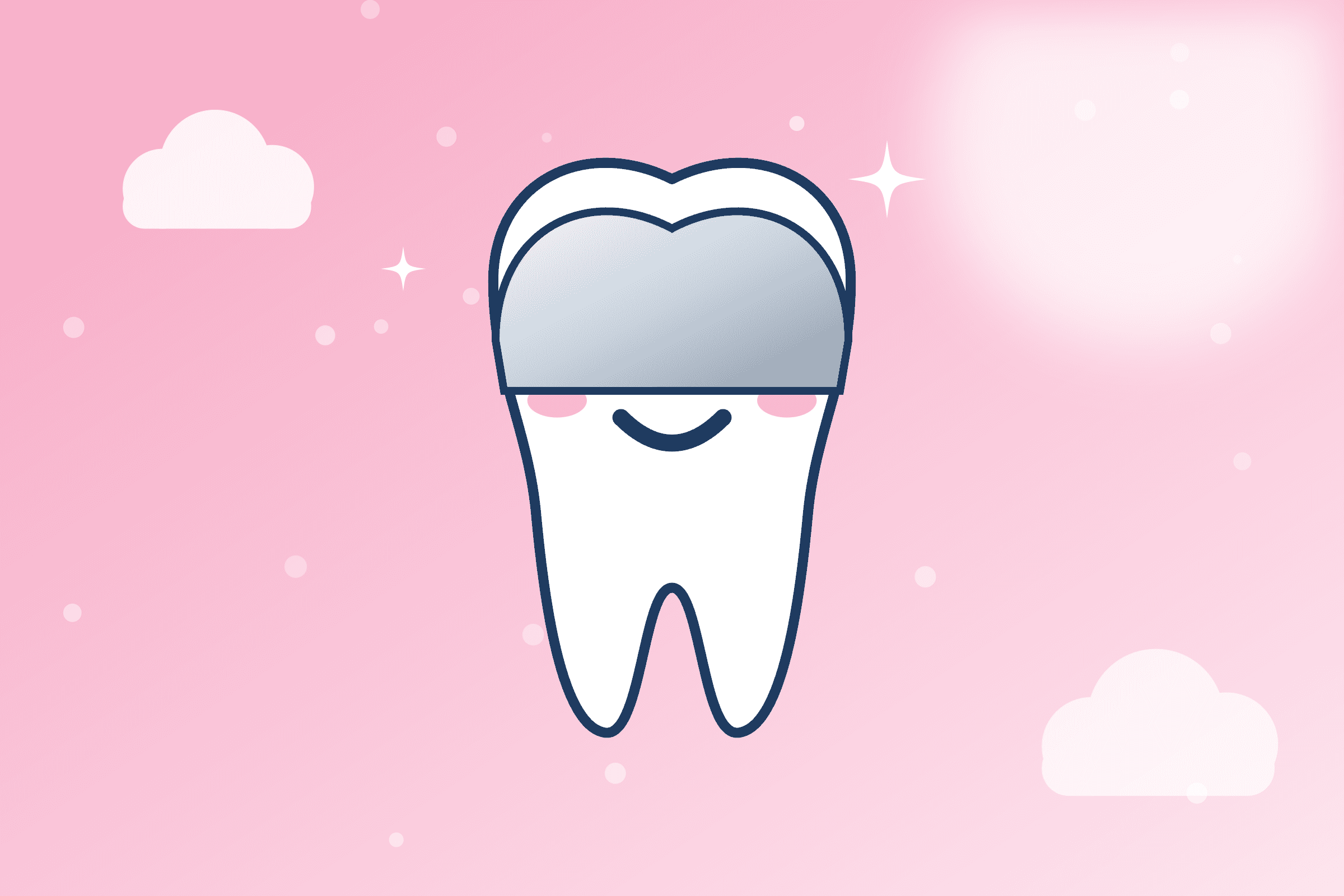
What is that metal? About steel crowns on baby teeth
What a steel crown is, when it is placed, why it is more reliable than a large filling and how it falls out together with the baby tooth.
An individual approach for every child
Book via WhatsApp: choose the type of visit and mention your child’s age and what is bothering them. We will agree on a suitable day and time together.
Frequently asked questions
The questions parents ask most often on Instagram and at appointments. I can only give a precise answer about your child after an examination.
At what age should a child first see a dentist?
After the first tooth comes through, around the age of one. The first visit is often just a chance to get acquainted: we look at the teeth and talk about brushing and feeding. A child who comes early gets to know the dentist through play rather than pain.
What happens at the first appointment?
First we get to know the child and show them the room and the instruments. Then we examine them and take an X-ray if needed. At the end I explain to the parent the condition of the teeth, the treatment plan and how to care for them at home. If the child is not ready, we do not rush to start treatment on the first day.
Who needs sedation?
Not every child. It is for children who cannot be treated because of strong fear, who cannot stay in the chair for long, who need extensive treatment on several teeth, or who have special needs. We decide after the examination, once we have assessed the child’s condition.
Is sedation safe?
When it is properly indicated, prepared for and monitored, the risk is very low, though, as with any medical procedure, it is never zero. That is why before sedation we get a paediatrician’s clearance, and the sedation is given by an anaesthetist who monitors the child’s breathing, pulse and oxygen level throughout the treatment. If the paediatrician does not give clearance, we do not start the procedure.
Can my child play, eat and drink after sedation?
The child goes home once fully awake and stable. For a few hours that day they may be sleepy and clingy, and an adult should stay with them. Start with fluids and soft foods. By the next day children usually play as normal.
Baby teeth fall out anyway. Do they really need treatment?
Yes. Baby teeth are needed for chewing, speech and keeping space for the permanent teeth. Untreated decay causes pain and infection and can affect the developing permanent tooth. A baby tooth lost too early lets the space for the permanent tooth close up.
What do you do if a child is allergic to the anaesthetic?
Before treatment we test a very small amount of the anaesthetic; we call this a “test dose”. If there is a reaction, we do not use that product, change the treatment plan and recommend seeing an allergist. Please always tell us at the appointment about any previous reactions.
Why are steel crowns placed on baby teeth?
To protect a badly broken-down or root-treated baby molar until the permanent tooth comes through. A large filling in such a tooth soon breaks, while a crown withstands chewing forces. When the permanent tooth erupts, the baby tooth falls out on its own together with the crown.
Until what age can a child use a dummy?
The longer the habit lasts, the greater the risk of changes in the bite. It is best to reduce the dummy gradually and stop by the age of 2-3. If your child still uses a dummy or sucks their thumb after the age of 3, come for a check-up.
How much do the examination and treatment cost?
The cost depends on the condition of the teeth, the extent of treatment and whether sedation is needed. After the examination I tell you the plan and the price in advance. For more details, message us on WhatsApp.
Do you see adult patients?
My specialty is paediatric dentistry, and all the information on this website is for children. If you have a question about adult patients, message us on WhatsApp.
Will photos of my child be shared?
A child’s photo, video or treatment result is shared only with the parent’s written consent. Medical information is used only for treatment. You do not fill in any forms on this website.
Practice address and contact
- Phone
- +994 50 809 84 74
- Message on WhatsApp